


How Commercial Vehicle Insurance Works for Trucks & Heavy Vehicles
A plain-English walkthrough of coverage types, real costs, and everything fleet owners and owner-operators need to know before signing a policy.
If you've ever tried to navigate the world of commercial vehicle insurance, you know how quickly the language can turn into alphabet soup — MCS-90, bobtail liability, non-trucking coverage, cargo floaters. But underneath all the jargon is a straightforward idea: your personal auto policy almost certainly does not cover a vehicle you use to earn money, and commercial trucks carry risks that demand a different kind of protection. Let's walk through it properly.
What Makes Commercial Vehicle Insurance Different?
Personal auto insurance is designed for everyday drivers going to work, running errands, and the occasional road trip. The moment you put a vehicle into commercial service — hauling freight, transporting equipment, or operating a fleet — the risk profile changes dramatically. A loaded semi-truck can weigh up to 80,000 pounds. An at-fault accident can generate millions of dollars in claims. Insurers price that reality accordingly.
Commercial vehicle insurance is also regulated differently. In the United States, the Federal Motor Carrier Safety Administration (FMCSA) sets minimum liability requirements for carriers operating in interstate commerce. Most states layer their own requirements on top. The result is a mandatory minimum coverage floor that is significantly higher than what's required for a family sedan.
"The biggest mistake truckers make is assuming their personal auto policy has their back. It doesn't. The moment cargo is involved, that policy has an exclusion that leaves you completely exposed."
— Industry Risk Manager Insight, 2025
The Core Coverage Types You'll Actually Need
Commercial trucking policies are modular. You can stack coverages or strip them back, depending on your operation. Here's what the major building blocks actually do:
Primary Liability
Covers bodily injury and property damage you cause to others. FMCSA minimums range from $300,000 to $5 million depending on what you haul.
Motor Truck Cargo
Protects the freight you're carrying against loss, damage, or theft while in transit. Shippers often require a minimum cargo limit before doing business with you.
Physical Damage
Covers your own vehicle — collision for accident damage, comprehensive for fire, theft, hail, and other non-collision events.
Non-Trucking Liability
Also called "bobtail" coverage — protects you when operating your truck for personal use, outside of your carrier's dispatch and authority.
Occupational Accident
A common workers' comp substitute for owner-operators. Covers medical bills and lost income if you're injured on the job and don't qualify for traditional workers' comp.
General Liability
Covers third-party injuries or property damage that happen during loading, unloading, or at a customer's premises — situations primary liability may not reach.
If you're leased to a motor carrier, ask for a copy of their MCS-90 endorsement and understand exactly what it covers — and what it doesn't. Many lease-on owner-operators are surprised to learn they still need their own non-trucking liability and physical damage policy.
Federal Requirements: What the Law Mandates
The FMCSA doesn't mess around. If you're operating in interstate commerce, you need to file proof of insurance with them before you can get your operating authority. The specific minimums depend on what you haul:
| Vehicle / Cargo Type | FMCSA Minimum Liability |
|---|---|
| Non-hazardous freight in vehicles under 10,001 lbs | $300,000 |
| Non-hazardous freight in vehicles over 10,001 lbs | $750,000 |
| Oil, gas, or hazardous materials (HM 182) | $1,000,000 |
| Hazardous materials (HM 126F/E — certain explosives) | $5,000,000 |
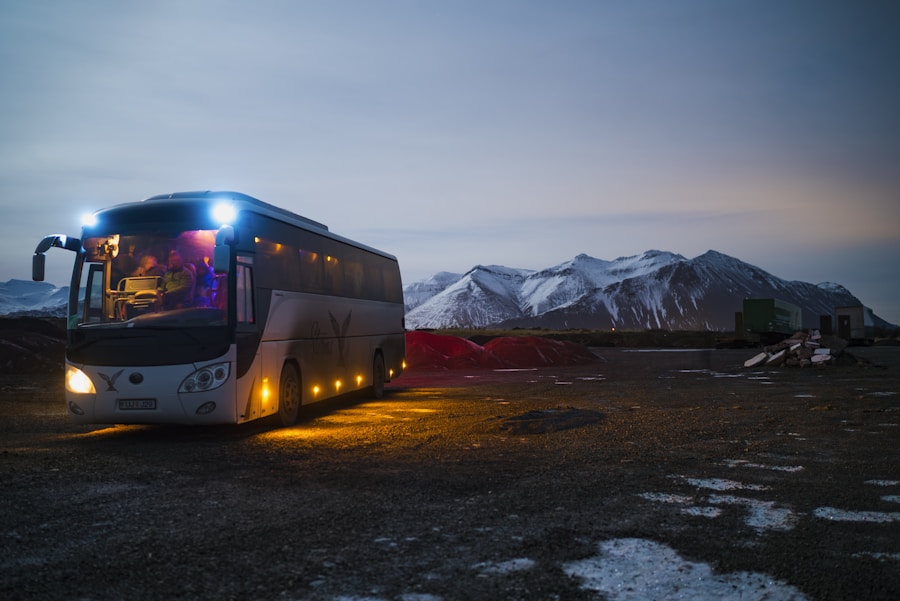
| Passenger transportation (for-hire) | Up to $5,000,000 |
Most professional truckers carry liability well above these minimums. A $750,000 policy might seem like a lot until you consider that a multi-vehicle highway accident can generate claims many times that amount. Many brokers and shippers now require $1 million as a practical minimum before they'll work with you.
What Drives the Cost of Your Premium?
Commercial truck insurance is not cheap, and for good reason. Underwriters weigh a long list of variables when pricing your policy. Here's what carries the most weight:
Driving Record & Experience
Your CDL history is scrutinized closely. Major violations — DUIs, reckless driving, multiple at-fault accidents — can make you nearly uninsurable in standard markets and push you into the surplus lines space at a significant premium. Conversely, a clean five-year record is one of the most powerful tools for negotiating lower rates.
Commodity Type
What you haul matters as much as how you drive. Hauling refrigerated produce is considered moderate risk. Transporting hazmat, oversized loads, or live animals dramatically increases your exposure — and your premium. Some commodities require specialized endorsements that can double a baseline policy cost.
Operating Radius
Local deliveries within a 50-mile radius carry less exposure than a transcontinental run. Insurers factor in the number of hours a vehicle spends on the road, the regions it operates in, and historical loss data for those routes.
Vehicle Age & Value
A newer truck requires more expensive physical damage coverage but may qualify for better fleet safety discounts. Older equipment is cheaper to insure for physical damage but may attract scrutiny around maintenance records and breakdown risk.
| Truck Type / Operation | Typical Annual Premium Range |
|---|---|
| Local box truck / delivery | $3,500 – $7,000 |
| Long-haul semi (general freight) | $9,000 – $16,000 |
| Flatbed (heavy equipment / machinery) | $10,000 – $18,000 |
| Tanker (non-hazmat) | $11,000 – $20,000 |
| Hazmat certified carrier | $15,000 – $30,000+ |
| Fleet (10+ vehicles, all types) | Negotiated — varies significantly |
Fleet Insurance vs. Individual Truck Policies
Once you operate more than about three vehicles, it usually makes financial sense to explore a fleet policy rather than insuring each truck individually. Fleet programs offer blanket coverage that follows your vehicles rather than specific VINs, which is a huge administrative advantage when you're rotating equipment frequently.
Fleet policies also open the door to experience-rated pricing, where your actual loss history — not just industry averages — drives your premium. If your drivers have a clean record and your safety program is solid, this is a significant advantage. If losses are high, it works against you, which is exactly the incentive structure that makes fleets invest in telematics, driver coaching, and dashcams.
"Telematics data has fundamentally changed fleet underwriting. A carrier with a year of clean telematics history can now negotiate rates that would have been impossible five years ago."
— Commercial Lines Underwriting Trends Report, 2025Claims: What Happens When Something Goes Wrong
A commercial truck claim moves differently than a personal auto claim. The stakes are higher, the parties involved are more numerous, and the legal implications are often significant. Here's what a typical incident looks like from the moment of impact:
- 1Secure the scene. Ensure safety, call emergency services, and never admit fault or make verbal settlements at the scene.
- 2Document everything. Photos of all vehicles, cargo, road conditions, weather, witness information, and the other driver's insurance details.
- 3Notify your carrier immediately. Most commercial policies require prompt notification — delays can complicate or even void coverage in certain circumstances.
- 4Cooperate with the adjuster. A commercial adjuster will be assigned. They may want recorded statements, ELD data, dashcam footage, and maintenance records.
- 5Cargo claims follow a separate track. If freight is damaged, the cargo insurer handles it separately from the liability claim. Your freight broker and shipper will need to be notified per your contract.
- 6Get legal counsel for serious accidents. Any incident involving injury, fatality, or significant property damage warrants having a transportation attorney involved early.
How to Choose the Right Policy and Insurer
Commercial truck insurance is a specialized market. Not every insurer writes it, and not every agent who says they do actually understands the nuances of trucking. Here's a practical checklist for choosing well:
Work with a broker who specializes in transportation — not a generalist who occasionally writes trucking. Ask about their loss ratio experience, their access to specialty markets, and whether they have a dedicated claims team for trucking incidents. The cheapest quote upfront often becomes the most expensive outcome when claims arise.
Check that any insurer you consider is admitted in the states where you operate, or that you understand what it means to work with a surplus lines carrier. Admitted carriers are backed by state guaranty funds; surplus lines are not — an important distinction if your insurer becomes insolvent.
Finally, read the exclusions carefully. Common surprises include exclusions for certain cargo types, geographic restrictions, exclusions for unlicensed drivers, and pollution coverage gaps that are particularly important for tanker operators.
The Bottom Line
Commercial vehicle insurance for trucks and heavy vehicles is more complex than a personal policy, but it's not opaque once you understand what each piece is for. The fundamentals are consistent: primary liability protects others, physical damage protects your asset, cargo coverage protects what you're carrying, and specialty endorsements fill the gaps in between.
Whether you're an owner-operator running your first truck or a fleet manager overseeing dozens of vehicles, the right insurance program isn't just a regulatory checkbox — it's the financial foundation that keeps your operation running when things go wrong. And in trucking, they will occasionally go wrong. Being properly covered is how you make sure a bad day doesn't become a business-ending event.


0 Comments