

Understanding Silver's Remarkable Rally in 2025
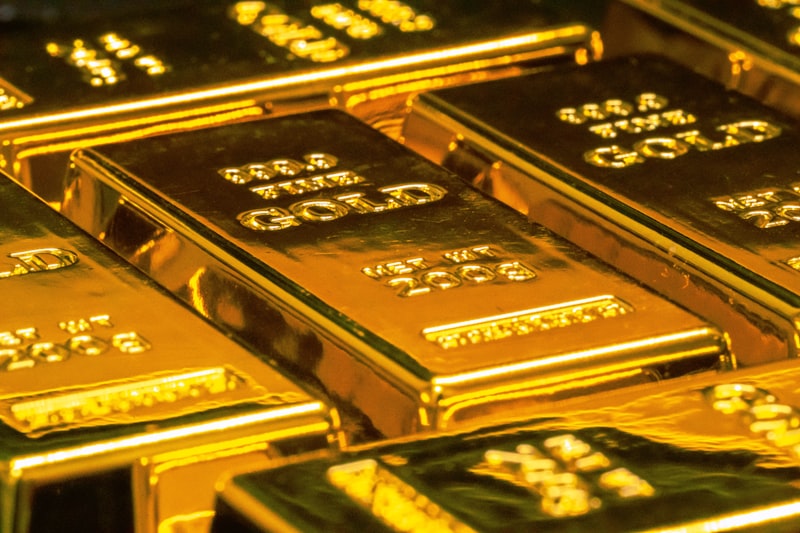
The precious metals market witnessed an extraordinary phenomenon in 2025 as silver experienced an impressive surge of 160%, capturing the attention of investors, analysts, and financial institutions worldwide. While gold has traditionally dominated headlines with its status as a safe haven asset, silver's performance this year has been nothing short of spectacular, outpacing its golden counterpart by a significant margin.
This dramatic rise in silver prices represents one of the most significant moves in the precious metals market in recent history. Understanding the forces behind this surge requires examining a complex interplay of factors ranging from macroeconomic conditions to industrial demand, technological trends, and investor sentiment.
The Macroeconomic Backdrop
The foundation for silver's rally was laid by the same macroeconomic conditions that propelled gold to new heights. Global trade tensions continued to create uncertainty in financial markets throughout 2025, prompting investors to seek refuge in tangible assets with intrinsic value. The ongoing disputes between major economic powers disrupted supply chains and created volatility in equity markets, making precious metals increasingly attractive as portfolio diversifiers.
Central bank policies played a crucial role in shaping the investment landscape. The United States Federal Reserve's continued easing of interest rates made holding non-yielding assets like precious metals more attractive. Lower interest rates reduce the opportunity cost of holding silver and gold, as investors sacrifice less potential income from interest-bearing alternatives. This monetary policy environment created fertile ground for precious metal appreciation.
Silver's Unique Position: The Dual Nature Advantage
While silver shares many characteristics with gold as a monetary metal and store of value, it possesses a critical distinction that amplified its 2025 performance. Silver maintains a dual identity, functioning both as a precious metal investment and as an indispensable industrial commodity. This unique positioning created multiple drivers for price appreciation that gold simply does not possess.
Approximately half of silver's annual demand comes from industrial applications, a proportion that has been steadily increasing. The metal's exceptional properties including the highest electrical conductivity of all elements, superior thermal conductivity, and excellent reflectivity make it irreplaceable in numerous technological applications. This industrial dimension added powerful momentum to silver's price trajectory in 2025.
The Green Energy Revolution

Perhaps the most significant factor distinguishing silver's performance from gold was the accelerating global transition to renewable energy. Solar photovoltaic panels, which represent one of the fastest-growing applications for silver, experienced unprecedented demand in 2025 as governments worldwide intensified their commitments to carbon neutrality.
Each solar panel contains silver paste used in the conductive layers that capture and transport electricity generated from sunlight. As solar installations surged globally, driven by improved technology, falling installation costs, and generous government incentives, silver consumption for this application reached record levels. Industry analysts estimated that solar panel manufacturing accounted for a growing percentage of total silver demand, creating a structural supply deficit.
Technology and Electronics Demand

Beyond solar energy, silver's role in the broader electronics industry continued expanding in 2025. The proliferation of electric vehicles, which contain significantly more silver than traditional automobiles, added substantial demand. Each electric vehicle requires silver for battery connections, charging systems, and numerous electrical components throughout the vehicle.
The expansion of 5G networks globally created another substantial source of demand. The infrastructure required for 5G telecommunications relies heavily on silver for its superior conductivity properties. As countries continued rolling out 5G networks and consumers upgraded their devices, this sector became an increasingly important consumption driver.
Medical applications also contributed to industrial demand, with silver's antimicrobial properties making it valuable in healthcare settings, wound dressings, and medical device coatings. The heightened focus on hygiene and infection control in recent years sustained strong demand from this sector.
Supply Constraints and Market Dynamics
While demand for silver surged on multiple fronts, supply struggled to keep pace. Unlike gold, which is primarily mined as a primary product, approximately 70% of silver comes as a byproduct of mining other metals including copper, lead, and zinc. This means silver supply is less responsive to price increases, as production decisions are often driven by the economics of the primary metal being mined.
Mining challenges in several major producing countries further constrained supply. Environmental regulations became stricter in key silver-producing nations, increasing operational costs and limiting expansion projects. Additionally, the time lag between discovering new deposits and bringing them into production meant that supply could not quickly respond to the demand surge.
This structural supply deficit intensified throughout 2025, with industrial demand alone consuming a significant portion of annual production. When combined with investment demand, the market faced a situation where available supply was insufficient to meet total demand at prevailing prices, creating powerful upward pressure.
Investment Demand and Market Sentiment
As silver prices began rising, momentum attracted additional investment interest, creating a self-reinforcing cycle. Investors who had historically focused primarily on gold began allocating more substantial portions of their precious metals holdings to silver, recognizing its compelling fundamentals and stronger growth prospects.
Exchange-traded funds focused on silver saw significant inflows as institutional and retail investors sought exposure to the metal. The relatively lower price point compared to gold made silver more accessible to smaller investors, broadening the base of market participants. This democratization of access contributed to sustained buying pressure.
Technical traders added fuel to the rally as silver broke through key resistance levels, triggering algorithmic buying programs and attracting momentum-following investors. The resulting price action created a powerful uptrend that fed on itself as rising prices attracted more attention and capital.
The Gold-Silver Ratio Compression
One metric that captured considerable attention throughout 2025 was the gold-to-silver ratio, which measures how many ounces of silver are required to purchase one ounce of gold. Historically, this ratio has fluctuated widely, but it had reached elevated levels in recent years, suggesting silver was undervalued relative to gold.
As silver's rally accelerated, this ratio compressed significantly, meaning silver gained value faster than gold. Traders who monitor this metric saw the compression as a return to more normal historical relationships, while others viewed it as a sign that silver still had room to appreciate further. This technical factor added another layer of buying interest from sophisticated market participants.
Currency Devaluation Concerns
Expansionary monetary policies by central banks worldwide raised concerns about currency devaluation among investors. As money supply increased and government debt levels rose, some investors sought protection in tangible assets. Silver, with its dual role as both a monetary metal and industrial commodity, offered attractive characteristics for those seeking to preserve purchasing power.
The perception of silver as real money with thousands of years of history as a medium of exchange resonated with investors concerned about the long-term value of fiat currencies. This psychological factor, while difficult to quantify, contributed to sustained investment demand throughout the year.
Looking Forward
Silver's remarkable 160% surge in 2025 resulted from a unique confluence of factors that created extraordinary upward pressure on prices. The combination of macroeconomic uncertainty, accommodative monetary policy, surging industrial demand from green energy and technology sectors, supply constraints, and robust investment interest created a perfect storm for price appreciation.
While gold's rise was primarily driven by its safe haven status and monetary factors, silver benefited from these same dynamics while simultaneously experiencing powerful fundamental demand from industrial applications. This dual nature amplified silver's performance, allowing it to significantly outpace gold's gains.
The sustainability of these elevated price levels will depend on whether the underlying drivers remain intact. If the renewable energy transition continues accelerating, technological demand stays strong, and supply remains constrained while investment interest persists, silver could maintain its position at higher price levels. However, any resolution of trade tensions, tightening monetary policy, or technological substitutions could alter the equation.
What remains clear is that 2025 marked a historic year for silver, reminding market participants that this often-overlooked precious metal possesses unique characteristics that can drive extraordinary performance when conditions align favorably.


0 Comments